
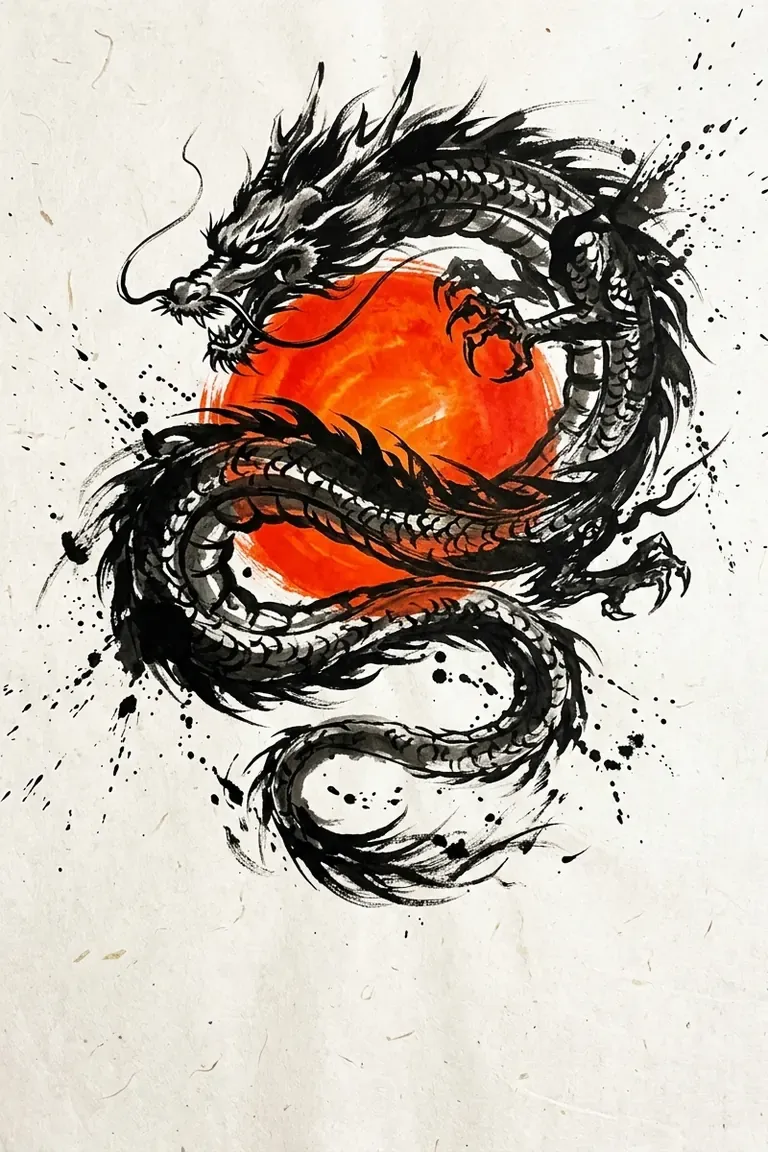
2000 is the year of the Metal Dragon (yang), from 5 February 2000 to 23 January 2001.
2000 Chinese zodiac year at a glance
- Animal
- Dragon 辰
- Element
- Metal
- Yin or yang
- yang
- Stem and branch
- Geng-chen 庚辰
- Dates
- Saturday 5 February 2000 to Tuesday 23 January 2001
Born in January or February?
The Chinese year starts on the lunar new year, not on 1 January. If you were born from 1 January to 4 February 2000, your sign is the Earth Rabbit of 1999, which began on 16 February 1999. From 5 February 2000 you are a Metal Dragon.
The other side works the same way. The Metal Dragon year ends on 23 January 2001, so people born from 1 January to 23 January 2001 are still Metal Dragons. From 24 January 2001 the sign is the Metal Snake of 2001.
Nearby years
About the Dragon
One legend tells of a race. A deity often identified as the Jade Emperor calls all the animals to a race, and the first twelve to finish are included in the zodiac calendar. The Dragon, expected to win easily because of its powers of flight, stops halfway to bring water to a village in a drought. The story says this immortalized it as a symbol of selfless benevolence.
In another legend the Jade Emperor needs twelve palace guards. Tiger and Dragon think it unfair but can only settle behind Ox. Rabbit challenges Dragon to a race and wins. The Lam Museum, which tells this one, adds that it is only a story.
About Metal
The five phases exist in various cycles, the two most common being mutual generation and mutual conquest. In the generation cycle, earth generates metal (ore) and metal generates water (melting). In the conquest cycle, fire conquers metal (melting) and metal conquers wood (chopping).
Han thinkers used a "mutual production" series (earth produced metal, metal produced water) and a "mutual conquest" series (metal conquered wood, fire conquered metal).
Zou Yan and his followers used the conquest cycle to articulate their theory of dynastic transmission, in which a dynasty ruled by the power of the wood phase would be conquered by a new ruling house associated with metal, which in turn would be conquered by a dynasty of fire.
Try it with your birth date.
Find your Chinese zodiac sign